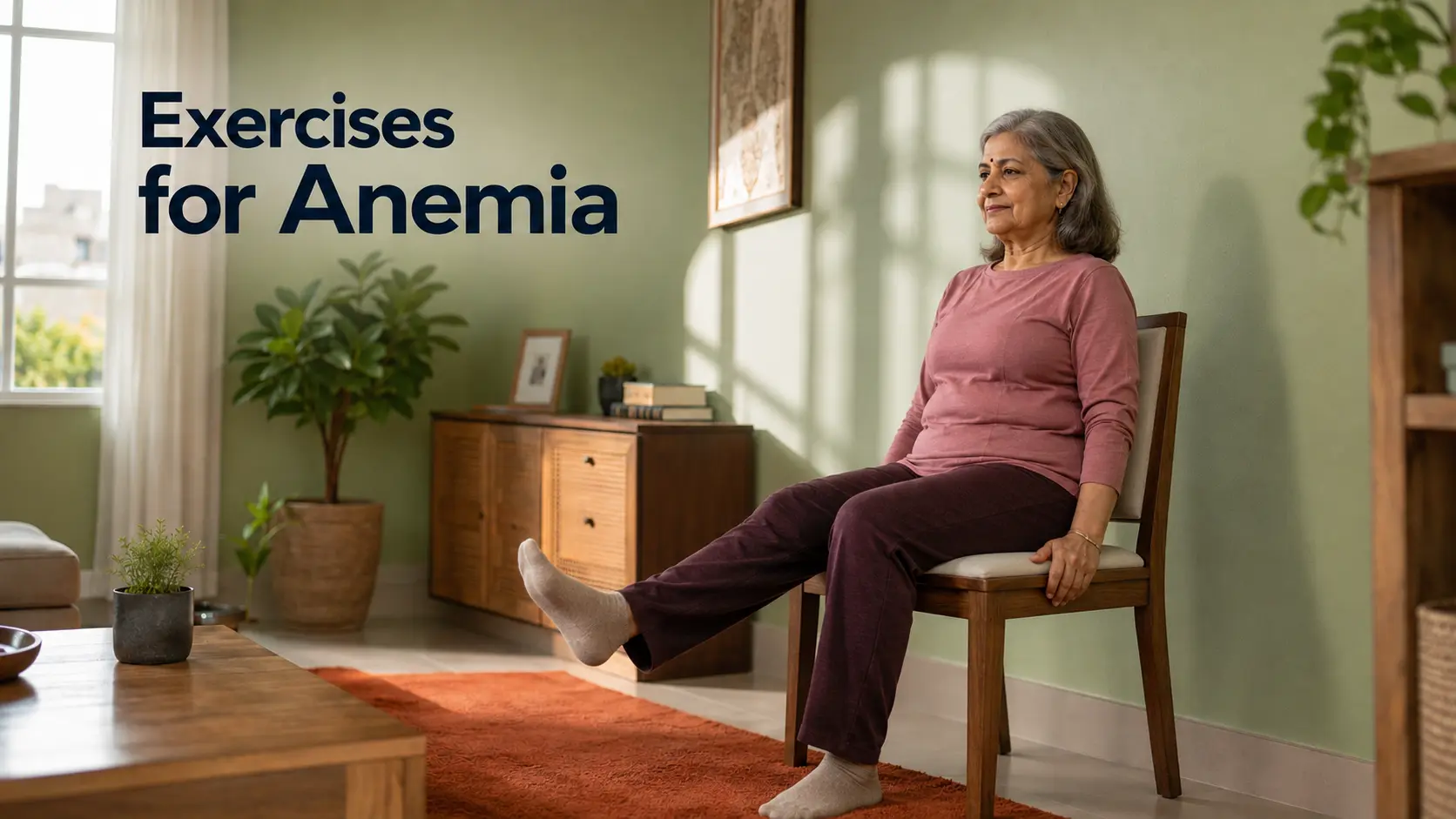
Have you noticed a parent, or maybe yourself, feeling a little lower around the same time daily walks stopped or the stairs started to feel like too much effort? That timing is rarely a coincidence. Mood and movement are closely linked, and when one slows down, the other tends to follow. For seniors managing stress or the quieter pace that often comes with retirement, exercise to reduce stress and depression is not just a wellness slogan. It is one of the most consistently studied, evidence-backed ways to support mental health at any age.
Why Seniors Are More Prone to Stress and Low Mood
Stress in later life often comes from a different set of triggers than it did decades earlier. Retirement removes structure, family responsibilities shift, and health changes or reduced mobility can chip away at confidence over time. Physical decline and low mood tend to reinforce each other, since less movement leads to less energy, and less energy makes movement feel harder to start.
- Reduced social contact after retirement or the loss of a partner
- Health changes that limit mobility or daily independence
- Fewer daily routines that once involved natural movement, like commuting or errands
Rebuilding a bit of structure, even through simple walking exercises for seniors, often does more for mood than any single lifestyle change on its own. These triggers are common, and recognising them is the first step toward treating low mood as something movement can address.
How Exercise Reduces Stress and Depression in the Brain
Exercise to reduce stress and depression works through several measurable pathways, not just a general sense of feeling better after moving around. Physical activity triggers endorphins and serotonin, both of which help regulate mood, and it lowers cortisol, the hormone most closely tied to the body’s stress response. It also supports brain-derived neurotrophic factor, a protein linked to mood regulation and long-term brain resilience.
- Endorphins and serotonin release, which create a natural sense of calm
- Lower cortisol levels, easing the physical load of chronic stress
- Higher levels of brain-derived neurotrophic factor, supporting mood regulation over time
A large review of trials in adults over 65 found aerobic exercise, resistance training, and mind-body practices like tai chi were roughly equally effective at easing depressive symptoms. No single workout style owns the mood lift, which means the right one is simply the one a person will actually repeat.
Which Type of Movement Helps Most With Mood
Since aerobic, resistance, and mind-body exercise show similar benefits for mood, the more useful question is which one a person will realistically keep doing. Resistance training carries a specific advantage: it produces visible, trackable progress, like completing a rep that felt hard the week before, which builds a sense of accomplishment alongside the brain’s own chemical changes.

- Resistance training builds visible, trackable progress week to week
- Walking and other aerobic activity support steady mood improvement with minimal setup
- Mind-body practices like tai chi combine movement with a calming, meditative focus
Recommended Reading:
For a closer look at how resistance work fits into a senior’s week, these notes on strength training for seniors cover how to start safely and build from there.
Building a Routine That Actually Sticks
Knowing that exercise helps mood does not make it easier to start, especially if the plan feels complicated or requires travel to a gym. Those just getting started can look at these exercises for seniors at home for simple options that need no equipment. The habits most likely to stick are short, home-based, and require little decision-making each day.
- Starting with a few minutes daily builds the habit faster than occasional long sessions
- Keeping equipment at home removes the biggest reason people skip a session
- Choosing a fixed time of day reduces the mental effort of deciding when to move
Even a compact space works well if it is set up thoughtfully, and a simple guide to set up a home gym in a small apartment can make that decision easier. A routine only works if it survives a busy or low-energy day, which is exactly what a simple, home-based setup is built for.
Exercise to Reduce Stress and Depression Depends on Consistency, Not Intensity
Understanding why movement helps mood does not solve the biggest obstacle most seniors face: doing it every day without soreness, complexity, or the fear of getting it wrong. Traditional gym equipment was not built with this in mind, and that gap is often where good intentions stop.
This is exactly the gap that an all-in-one home gym machine like Ferra is built to close:
- Uses concentric-only resistance, so the machine resists effort but never loads the body on the way down, removing the soreness that often makes people quit early
- Resistance adjusts automatically to current strength, so there is no guessing involved
- Wall-mounted design fits into a small space at home, removing the travel and access barriers that cause most routines to fail
Check out Ferra and build the kind of consistent, low-effort routine your mood depends on
Conclusion
Mood and movement rise together when the effort is small enough to repeat daily. The brain chemistry behind exercise to reduce stress and depression does not require intensity or a dramatic transformation, just consistent sessions that fit into the life a person already has. Over the coming weeks, that consistency is what turns a good intention into a routine that quietly holds mood and strength together at the same time.
Exercise to Reduce Stress and Depression: Frequently Asked Questions
1. Can exercise really help with depression in older adults?
Yes. Research consistently shows that regular physical activity reduces depressive symptoms in adults over 65, with effects that are comparable to some standard treatments in mild to moderate cases. The benefit comes from a mix of brain chemistry changes and the structure that regular movement adds to the day.
2. How soon can mood improve after starting to exercise?
Some people notice a lift in mood within a single session, thanks to the immediate release of endorphins and serotonin. Lasting improvement in stress and depressive symptoms usually builds over several weeks of consistent activity rather than appearing overnight.
3. Is walking enough, or does strength training help more?
Both help, and research suggests they are roughly equally effective for mood. Strength training adds the extra benefit of visible progress, which can support motivation and self-confidence in a way that pure cardio sometimes does not.
4. What if joint pain makes exercise difficult?
Joint pain does not rule out exercise, but the type of movement matters. Machines like Ferra, which use concentric-only resistance, are designed to remove the loading phase that typically causes soreness and joint strain, making regular sessions more comfortable to sustain.
5. Should seniors exercise alone or in a group for better mood benefits?
Either works, though group settings add a social component that can amplify the mood benefit for some people. The more important factor is consistency, since irregular exercise, alone or in a group, produces far smaller mental health benefits than a steady daily habit.

Anurag Dani is the Co-Founder of Ferra, a company dedicated to redefining healthy ageing through strength training. Drawing from his experience building fitness and healthy ageing solutions for adults, he writes about healthy ageing to help readers stay strong and independent as they age.