For many people over 50, staying active means cardio. A walk after dinner, a cycle in the morning, laps in the pool on weekends. It feels like enough, and for years, it might have been.
But somewhere past fifty, a familiar question surfaces: cardio vs strength training, and does it matter which one you lean on? If you have kept up with cardio for years and still feel weaker or less steady, the answer is not more walking. It is what cardio was never built to protect: your muscle.
Why Cardio Dominates Most Routines
Cardio is the default for a simple reason: it is easy to start and easy to keep going.
- No equipment required beyond a pair of shoes
- Doctors bring it up first, usually for heart health
- It does not feel intimidating the way a gym or a set of weights can
Decades of public health messaging around step counts made cardio the entry point for staying active after 50. That head start is why so many older adults assume it is also the finish line, when it is really only half the picture.
What Cardio Does Well
Cardio is genuinely good for your heart.
It improves circulation, supports lung capacity, and helps manage blood pressure. Regular walking, cycling, or swimming keeps the cardiovascular system working efficiently, which matters more with each passing decade.
What cardio does not do is stop muscle loss. After 35, the body begins losing muscle gradually through a process called sarcopenia. Without resistance training, adults can lose 3 to 8% of their muscle mass per decade, and that rate often accelerates after 60. If you want more low-impact ways to build cardio into your week safely, these low-impact cardio workouts are a good place to start. Cardio protects the heart and keeps you moving, but it was never designed to protect the muscle underneath it, and that gap is exactly where strength training needs to step in.
What Strength Training Protects With Age
Strength training is the only form of exercise that directly signals your body to preserve and build muscle tissue.
A study at Wake Forest University followed older adults over 18 months. Those who combined cardio with caloric restriction lost more lean muscle than those who only dieted with no exercise at all, which shows how easily muscle slips away when strength work is missing from the equation.
Here is what consistent strength training protects, that cardio cannot:
- Muscle preservation: Slows age-related muscle loss
- Bone density: Stimulates bone remodelling and reduces osteoporosis risk
- Balance and stability: Stronger legs and core reduce fall risk
- Posture: Builds upper back and shoulder strength
These outcomes show up in ordinary moments: groceries that feel lighter, stairs that feel easier, and steadier footing when the ground underneath you is uneven or unpredictable.
Recommended Reading:
If muscle loss already feels like it has crept up on you, this piece on preventing muscle loss after 45 walks through how to start reversing it
The Right Cardio and Strength Training Mix After 50
If you can only do one, choose strength training. Cardio cannot replace the muscle-preserving signal that resistance training provides.
If you can do both, combine them rather than pick sides. When it comes to cardio vs strength training, the goal is not to choose a winner; it is to give each the role it is actually good at. Strength training should sit at the centre of your routine, since it protects what cardio cannot, while cardio fills the days around it to support your heart and stamina. That consistent rhythm, strength first and cardio alongside it, is what gives the body both the cardiovascular support and the muscle protection it needs at this stage of life.
Recommended Reading:
For more comparisons like this, browse our senior fitness blog.
How to Start Strength Training After 50 – The Simple Way
You do not need long sessions or heavy weights to start. A few minutes of focused resistance work, done consistently, builds more long-term strength than an occasional hour-long session.
Start small: pick one or two simple strength movements, do them a few times through the week, and keep your existing cardio routine alongside it. The goal in the first few weeks is not intensity. It is showing up regularly enough that strength training becomes a habit rather than a chore you have to talk yourself into each time.
Cardio vs Strength Training Needs a Consistent Strength Habit
Cardio habits are easy to build because they ask so little of you at the start. Strength training asks more, not in difficulty, but in the kind of consistency most people have never had to apply to resistance work before.
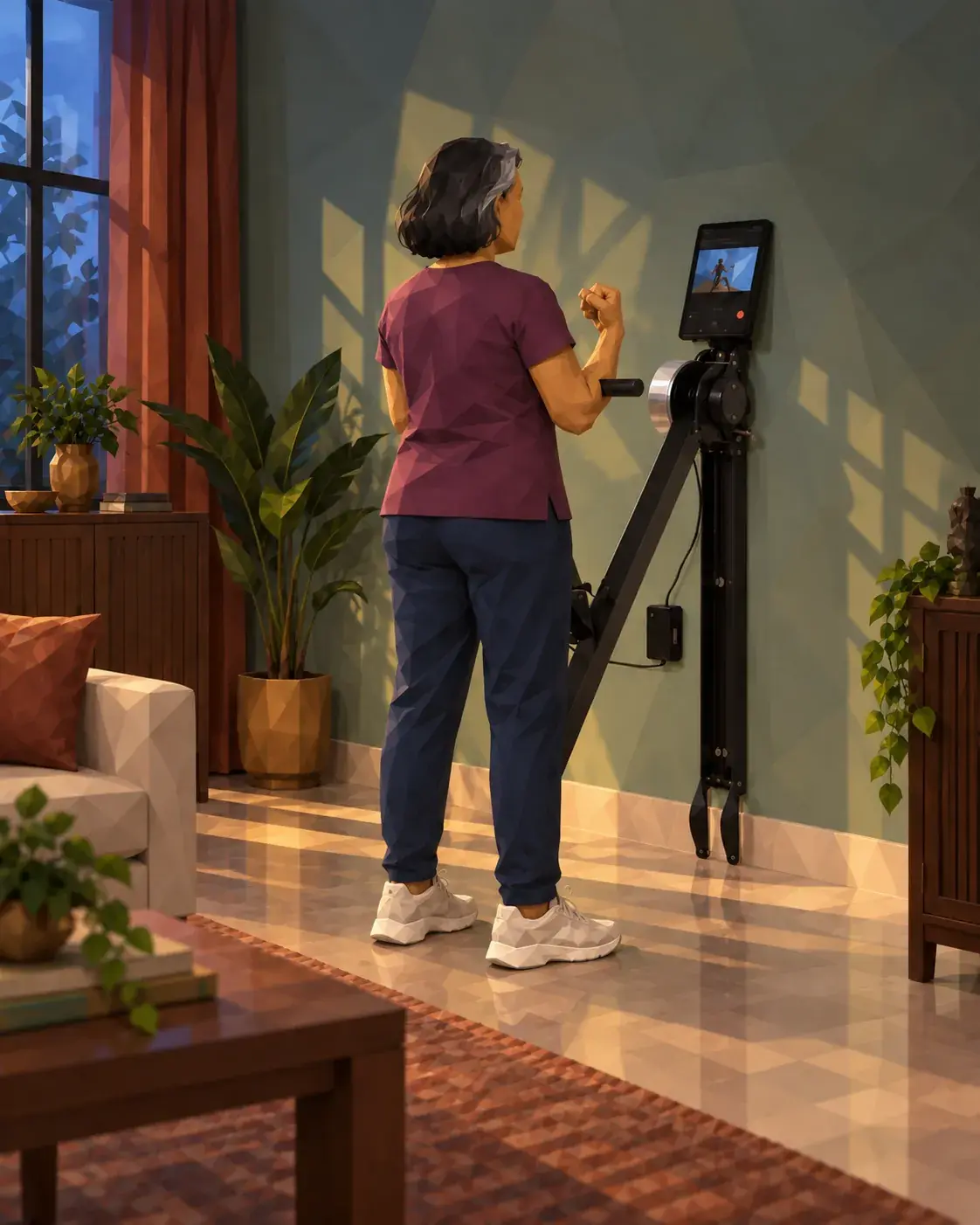
That consistency gap is what strength training equipment for seniors like Ferra is built to close. It uses concentric-only resistance, so the machine resists your effort on the way up but never loads you on the way down, removing the phase that causes most soreness and joint strain. The resistance also adjusts automatically to your current strength level, so there is no risk of starting too heavy or plateauing too early.
Check out Ferra and build the strength that cardio alone cannot give you.
Cardio vs Strength Training: The Bottom Line
Cardio and strength training are not competing choices. They protect different parts of the body, and after 50, both matter more than they did before.
The honest answer to cardio vs strength training is that cardio keeps the heart working well, but strength training is what keeps you capable of carrying, climbing, and moving through daily life without thinking twice about it. Give strength training the priority it deserves, and let cardio support it from the sidelines.
A few weeks of consistent strength work is usually enough to notice the difference in how steady and capable your body feels day to day.
Disclaimer: Always consult your doctor before starting a new exercise programme, especially if you have an existing health condition.
Cardio vs Strength Training: Frequently Asked Questions
1. Is walking enough after 50?
No, not on its own. Walking supports heart health, stamina, and mood, but it does very little to slow muscle loss. Pairing regular walks with a few short strength sessions each week gives your body both the cardiovascular and muscular support it needs.
2. Should seniors do cardio or strength training first?
Strength training first. Doing resistance work while your muscles are fresh means better form and more effective effort, and saving cardio for after lets you finish the session with a lighter, heart-focused activity.
3. How many strength days does an older adult need each week?
Health bodies like the WHO generally recommend resistance training on at least two days a week as a baseline. Shorter, more frequent sessions can work just as well, since what matters most for older adults is showing up regularly rather than hitting an exact number of days.
4. Can cardio and strength training be done on the same day?
Yes. Many older adults do a short strength session followed by a walk or a swim later in the day. Spacing them apart, even by a few hours, tends to feel more comfortable than doing both back to back.
5. How long before seniors see results from strength training?
Most older adults notice improved stability and ease of movement within 4 to 6 weeks of consistent training. Muscle strength builds gradually, but the functional benefits like climbing stairs, carrying bags, and getting up from chairs often show up sooner.
Build everyday strength — at your pace
Explore Ferra to see how strength training fits into life after 50 — it’s not about building muscle for its own sake, but moving with confidence.

Anurag Dani is the Co-Founder of Ferra, a company dedicated to redefining healthy ageing through strength training. Drawing from his experience building fitness and healthy ageing solutions for adults, he writes about healthy ageing to help readers stay strong and independent as they age.