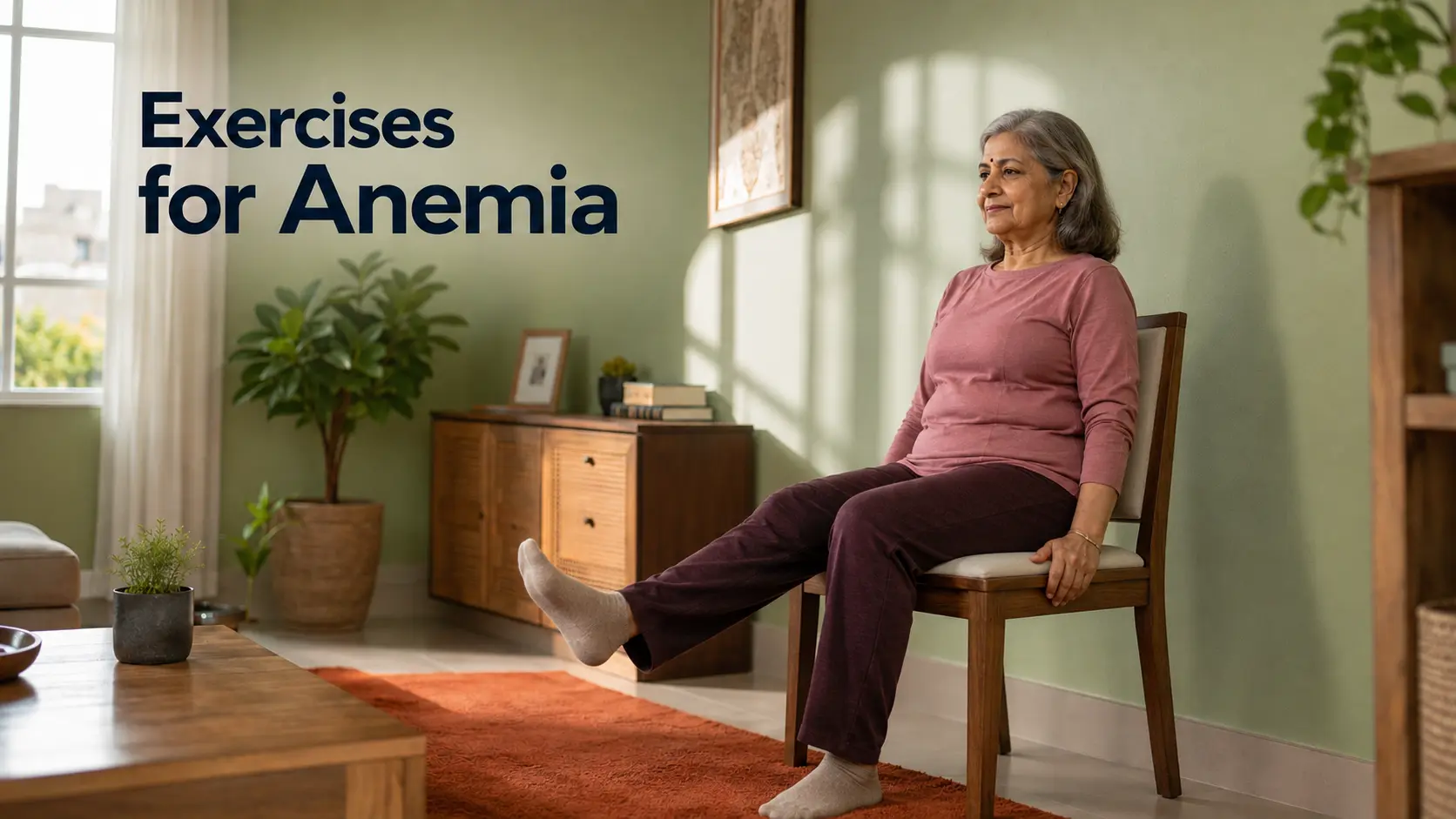
When did you last notice your parent pause before climbing the stairs, or ask for help getting up from the sofa? Small moments like these are usually how caregiving begins, not with one big event, but with a series of quiet changes you start to notice over time.
For most adult children, caring for aging parents is not something anyone prepares you for. The responsibilities tend to expand gradually until you are managing medical appointments, daily routines, and safety concerns all at once. Knowing where to start can make the process feel far more manageable.
What Changes as Parents Age, and Why It Is Easy to Miss
Aging affects the body and mind in ways that rarely announce themselves. Most changes happen slowly enough that they blend into everyday life, which is why they go unnoticed until something forces the issue, like a fall or a missed medication.
Some of the most common shifts include:
- Slower reflexes and reduced balance
- Gradual loss of muscle strength, which affects everyday movement
- Increased forgetfulness around medication or appointments
- Reduced social interaction, which can affect mood and mental health
None of these changes happen overnight, which is exactly what makes them easy to overlook. Recognising them early gives you the chance to respond with a plan instead of a scramble.
The Everyday Pillars of Caring for Aging Parents
Good senior care rarely comes down to one decision. It is usually a combination of consistent efforts that keep a parent safe, independent, and connected.
The main pillars worth focusing on are:
- Medical coordination: Keeping track of appointments, prescriptions, and test results in one place
- Daily living support: Making the home safer and easier to move around in
- Physical strength and mobility: Helping your parent stay capable of everyday movements like standing, walking, and carrying
- Emotional connection: Regular conversation and company, not just care logistics
Physical strength is the pillar families tend to overlook, often because it does not feel urgent until mobility becomes a visible problem. A national survey of older adults in India found that nearly a third had experienced a fall, a reminder that physical independence deserves the same attention as medical or financial planning.
Recommended Reading:
If you are looking for a starting point, these exercises to help your parents stay strong are a practical place to begin.
Supporting Physical Independence at Home
Physical independence is often the difference between a parent who manages daily life comfortably and one who starts relying on help for basic tasks. Yet this is usually the last pillar families address, mostly because it does not carry the urgency of a medical diagnosis.

Supporting this does not require a gym membership or an intense routine. What helps most is consistency:
- Short, guided strength sessions that fit an existing daily routine
- Movements that mirror real tasks, like standing up or reaching for a shelf
- A format your parent can do without supervision every time
If your parent has never exercised before or feels intimidated by traditional gyms, beginner strength training for parents is often a gentler starting point than jumping straight into a full routine. Supporting physical independence early keeps small limitations from becoming larger dependencies later.
Building a Routine That Actually Sticks
Families who manage caregiving well are rarely the ones doing the most. They are usually the ones who have built something small and consistent that their parent can stick to without friction.
A few habits make the biggest difference:
- Keep sessions short enough that skipping feels unnecessary
- Anchor new habits to something that already happens daily
- Track progress in simple terms your parent can see
Walking is often the first activity families turn to, but it works best alongside some strength work rather than as a replacement for it. If you are deciding between the two, this comparison of walking versus strength training for parents breaks down where each helps most. A routine that is easy to repeat will always outperform one that looks impressive but is hard to sustain.
Strength Training Equipment for Seniors Built for This Exact Need
Most of what this guide covers, medical coordination, daily support, physical independence, comes down to one constraint: your parent needs to be able to do it consistently, without you supervising every session. Traditional gyms and generic home equipment rarely solve for that, which is exactly what an all-in-one home gym machine like Ferra is designed around.
- No manual weight-setting or risk of overloading, since resistance adjusts automatically to your parent’s current strength
- Concentric-only resistance, so the machine resists effort but never loads a parent on the way down, removing the phase of exercise most likely to cause strain
- Short, guided sessions that are realistic for a parent to follow alone, even on days you cannot be there
Check out Ferra and give your parents a safe, independent way to stay strong at home.
Bringing It All Together
Caring for aging parents is rarely about one big decision. It is built from consistent efforts, medical attention, a safer home, physical strength, and genuine connection, repeated often enough that they become routine.
Start with whichever pillar feels most overdue right now. The rest follows more easily once one habit is already in place.
A few months from now, the small routines you set up today will be the reason your parents move through their day with a little more ease and a little less help.
Frequently Asked Questions About Caring for Aging Parents
1/ How can adult children balance caring for aging parents with a full-time job?
Identifying the two or three tasks that genuinely need direct involvement, such as medical decisions, and delegating or automating the rest is the most effective starting point. Weekly pill organisers, recurring appointment reminders, and a shared family calendar reduce the mental load significantly. Many families also rotate responsibilities among siblings to avoid burnout. Consistency matters more than handling everything alone.
2/ When should families consider professional help for an aging parent?
Professional support becomes worth considering when daily safety, medication management, or hygiene can no longer be reliably handled at home, not simply when caregiving starts to feel difficult. Difficulty is normal and manageable with better systems. Safety risk is the clearer signal that additional support is needed. A gradual introduction, such as part-time help, is often easier for parents to accept than a sudden change.
3/ How can families encourage a parent who resists exercise or new routines?
Framing new habits around something the parent already values, like staying independent or avoiding a repeat of a past fall, works better than presenting it as a lifestyle overhaul. Starting with something short and low-pressure makes it easier to agree to. Machines like Ferra, which use concentric-only resistance, can also help because the sessions feel manageable rather than intimidating for a first-time user. Small wins early on build the confidence to continue.
4/ What are early signs that a parent’s mobility is declining?
Hesitation before stairs, holding onto furniture while walking, or avoiding tasks that involve reaching or carrying are common early signs. A noticeably slower walking pace or reduced participation in daily errands are also frequent indicators. These signs often appear gradually, which is why periodic, honest check-ins matter. Addressing them early is far easier than responding after a fall.
5/ Is it normal for family caregivers to feel overwhelmed?
Yes. Caregiving is a long-term responsibility with no fixed end point, and feeling stretched thin at times is common rather than a sign of failure. Building a support system, whether through siblings, professional help, or simple routines, reduces this pressure considerably. Taking short breaks without guilt is part of sustainable caregiving. Long-term consistency depends on protecting one’s own capacity, not just the parent’s.

Anurag Dani is the Co-Founder of Ferra, a company dedicated to redefining healthy ageing through strength training. Drawing from his experience building fitness and healthy ageing solutions for adults, he writes about healthy ageing to help readers stay strong and independent as they age.