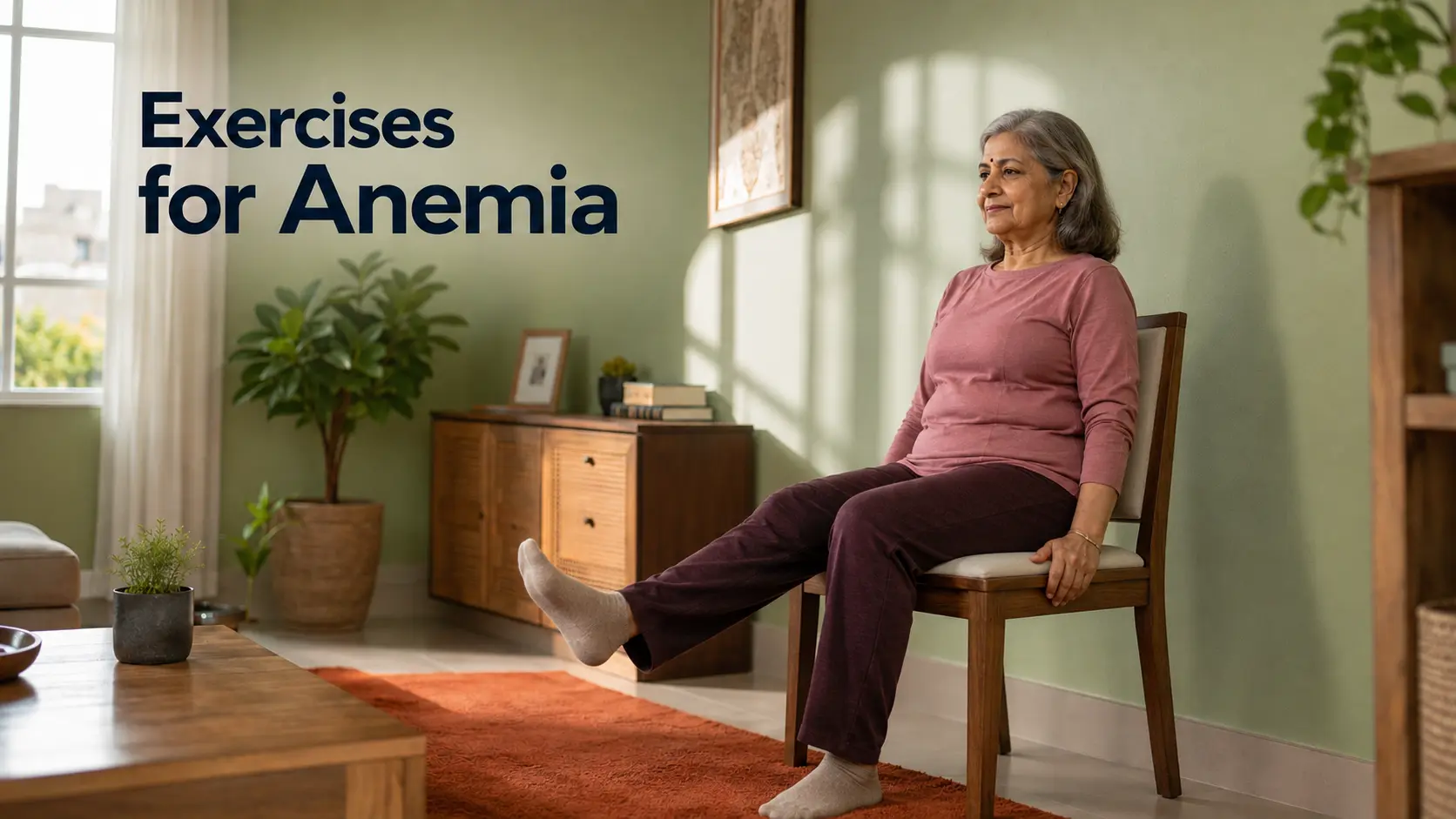
Why do your legs seem to tire out on stairs before your arms ever feel weak? If getting up from a low chair takes more effort than it used to, or a walk on uneven ground feels less steady than last year, you are not imagining it. Muscle loss in the legs tends to show up earlier and more noticeably than muscle loss anywhere else in the body, and there is a clear reason why.
Why the Legs Lose Muscle First
Muscle loss with age, known as sarcopenia, does not affect every muscle group equally. Research shows the decline in muscle mass is most prominent in the lower limbs, with some studies reporting close to a 30% reduction in leg muscle mass over a lifetime. Arms and upper body muscles change too, but far more slowly.
Two things explain why legs are hit first:
- Fast-twitch fibers shrink the most. Leg muscles rely heavily on fast-twitch (type II) fibers for power movements like standing up or climbing stairs. These are the fibers that shrink the most with age, even before slow-twitch fibers show much change.
- Legs carry the daily load. Every stair, every chair, every uneven patch of ground asks something of the legs. Because they work harder day to day than the arms, small strength losses in the legs become noticeable much sooner.
This is not a random pattern. It is the legs doing the most work in daily life while losing their fastest, most powerful muscle fibers first, which is exactly why the change shows up here before it shows up anywhere else in the body’s broader pattern of muscle loss with age.
What This Looks Like Before You’d Call It Muscle Loss
Leg muscle loss rarely announces itself. It shows up in small daily moments long before anyone thinks to label it.
- Standing up from a low sofa or car seat takes a visible push or a hand on the armrest
- Stairs that used to be routine now leave you slightly breathless or unsteady
- Walking on grass, gravel, or uneven pavement feels less confident than it used to
- Legs feel tired sooner during a normal day, even without exercise

According to Cleveland Clinic, sarcopenia can make everyday activities like walking and climbing stairs harder, and it can raise the risk of falls and fractures. These are not signs to wait out. They are the legs signaling an early, practical loss of strength.
Why Leg Strength Matters More Than It Gets Credit For
Leg strength is not just about mobility. It is the base that balance, independence, and confidence in daily movement are built on. When leg muscles weaken, the effects reach further than the legs themselves.
Losing leg strength changes daily life in ways that upper body muscle loss simply does not:
- Balance becomes less reliable, since the legs are what correct a stumble
- Getting up and down (chairs, beds, the floor) becomes a bigger physical task
- Walking distance and pace both tend to shrink without a person deciding to slow down
Muscle loss with age eventually touches every muscle group, but the legs are usually the first to show it and the first to affect how independently someone can move through a normal day.
What Actually Slows Leg Muscle Loss Down
Walking alone is not enough to protect leg muscle. It maintains general activity, but it does not apply the kind of resistance that fast-twitch leg fibers need to stay strong.
What genuinely helps:
- Resistance training targeted at the legs. Movements like squats and hip-hinge patterns load the exact muscle groups that decline fastest.
- Consistency over intensity. Short, regular sessions build strength more reliably than occasional hard efforts.
- Daily use, not sporadic bursts. Muscle responds better to steady, repeated stimulus than to infrequent, intense workouts.
Resistance work is the one input that directly addresses why legs decline first, and it is also the one most people skip in favor of walking or stretching alone.
Recommended Reading:
If you want a full breakdown of movements that target this directly, these leg strengthening exercises for seniors are a practical place to start.
Strength Training Equipment for Seniors Built Around This Exact Problem
Knowing that legs need resistance training is one thing. Finding a way to do it safely, without a gym membership, heavy free weights, or the risk of using unfamiliar machines alone, is the harder part for most older adults. This is exactly where an all-in-one home gym machine like Ferra fits in.
- Concentric-only resistance. The machine resists your effort on the way up but never loads you on the way down, removing the phase of movement most responsible for strain and injury.
- Leg-specific movements. Front Squats and Good Mornings on the machine train the same leg and posterior chain muscles behind stair climbing and standing up from a chair.
- Resistance that adjusts on its own. It calibrates to what you can safely handle that day, so there is no risk of loading more than your legs are ready for.
Check out Ferra to bring this kind of leg-focused, resistance-based strength training into daily use at home, without ever stepping into a gym.
Conclusion
Muscle loss in the legs happens first because of how these muscles are built and how much they are asked to do every single day. That head start does not have to turn into a steady decline. Resistance training aimed at the legs, done consistently, is the one input that meets this problem where it starts. Given a few months of steady effort, the same stairs and the same low chairs that feel hard today will start to feel ordinary again.
Frequently Asked Questions About Muscle Loss in the Legs
1. Why do legs lose muscle faster than arms with age?
Legs rely more heavily on fast-twitch muscle fibers, which shrink faster with age than slow-twitch fibers. Legs also carry the body’s full daily workload, so even small strength losses become noticeable sooner than similar losses in the arms.
2. Can walking alone prevent leg muscle loss?
No. Walking supports general fitness and circulation, but it does not apply enough resistance to protect fast-twitch leg fibers from shrinking. Resistance-based movement is needed alongside walking to meaningfully slow leg muscle loss.
3. At what age does leg muscle loss usually start?
Muscle loss can begin as early as the 30s and continues gradually with age. It often becomes more noticeable after 60, though the earliest signs, like stairs feeling harder, can appear well before that.
4. Is leg muscle loss reversible?
Yes, to a meaningful degree. Consistent resistance training can rebuild strength in leg muscles at almost any age. Machines like Ferra, which use concentric-only resistance, make this kind of leg-focused training safer to start without prior gym experience.
5. Should I worry if I notice leg weakness only on stairs?
Not immediately, but it is worth addressing early. Early, isolated signs like stair difficulty are often the first practical indicator of leg muscle loss, and responding to them with resistance training tends to be more effective than waiting for symptoms to spread.

Anurag Dani is the Co-Founder of Ferra, a company dedicated to redefining healthy ageing through strength training. Drawing from his experience building fitness and healthy ageing solutions for adults, he writes about healthy ageing to help readers stay strong and independent as they age.